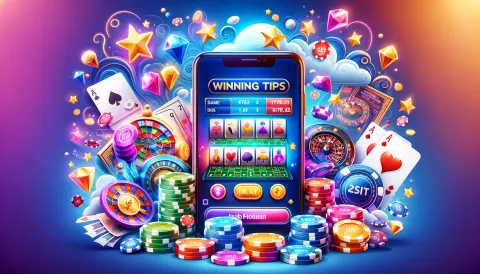
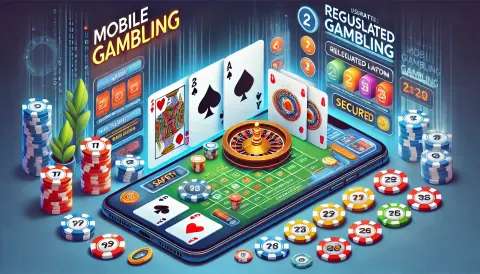
A casino app is not only a set of games. It is a designed experience that aims to create emotion, longer sessions and loyalty from the moment you open it. This guide looks at the touch design, behavioural tactics and psychological triggers behind it, and the technology that refines them.
A casino app decides what you see in the first seconds after launch. The casino app usually opens on a lobby, a balance and a single prominent action. That order is a product choice. The lobby shows categories before it shows rules. The balance sits where the eye lands so the next decision feels close to the money already in the account.
How casino app design keeps players engaged
Good casino apps are built on an understanding of how people behave. Small design choices combine to bring you back.
Tactile interaction: every tap counts
Buttons, menus and controls are tuned to how fingers move on a screen and which feedback encourages the next tap. A responsive interface does more than work well; it creates a sense of connection.
A casino app answers a tap in under a blink when the build is healthy. The casino app uses that answer as proof that the phone heard you. Proof matters because a missed tap on a stake button creates doubt, and doubt makes people tap again. Designers size the hit area larger than the painted button so a thumb at the edge still counts.
- Smooth animations: a button that grows slightly when tapped, or a soft sound, makes the interaction feel natural.
- Visual feedback: light effects and colour changes confirm straight away that your tap registered.
Behavioural tactics: rewards before the win
Apps add game-like elements that reward you even when you have not won. Progress bars, loyalty points and bonus triggers are deliberate tools.
A casino app can award points for opening the app, for a session length, or for a completed bet. The casino app shows those points as a level or a bar. The bar is a graphic of a target the operator chose. A bar that sits near the end is a common pattern because unfinished goals pull attention back to the same screen.
- Reward systems: points and levels make every session feel like progress towards something.
- Progress tracking: a bar that is nearly full makes you want to keep going.
- Micro-rewards: small wins and virtual treats give instant gratification, which keeps engagement high.
A casino app may celebrate a near miss with the same flash it uses for a real win. The casino app is animating a losing outcome so it looks adjacent to a paying one. The animation is artwork. The paytable decides whether the spin paid.
Psychological triggers: cues that steer attention
Behind every successful casino app is a set of cues designed to catch your attention and influence decisions.
A casino app uses contrast to rank actions. The casino app paints the stake or claim control in a hotter colour than the surrounding chrome, and it paints cancel or limit controls in a quieter style. Colour is a ranking of buttons. Sound does the same job in time: a rising tone marks a result, and a chime marks an offer.
- Colour and contrast: bright, contrasting colours highlight wins and nudge you towards a button.
- Sound design: music and effects set the mood and recreate the energy of a casino floor.
- Pop-ups and notifications: well-timed bonus offers and reminders bring you back to the app.
A casino app chooses when a notification fires. The casino app may send it after you close a session, after a bonus timer starts, or at an hour when you have opened the app before. The message is a prompt, not a change in the game maths. You can turn promotional pushes off and keep login or payment alerts.
Building a smooth experience
Touch feedback, behavioural tactics and psychological cues together create the feel of a well-designed casino app. Developers have to balance them: pushed too far, the design feels manipulative.
User-friendly interfaces
- A simple layout: games such as roulette, slots and live tables sorted into clear categories, so newcomers can find their way.
- Easy navigation: clear menus and buttons get you where you want to go without friction.
A casino app groups games by type, studio or feature because a phone screen holds few tiles. The casino app then keeps search, recent games and favourites within one thumb reach. Categories help you find a game. Categories also hide how large the catalogue is, which is why a filter for provider or volatility matters once you know what you want.
Emotional design and branding
- Consistent branding: the same logo, colours and layout throughout build recognition and trust.
- Storytelling: some apps add themes or storylines that make your play part of an ongoing narrative.
A casino app repeats its logo, type and button shape so the lobby, the game and the cashier feel like one place. The casino app may wrap a slot in a theme of seasons, characters or missions. A theme is a frame around the same reel or card maths. The frame can make a session feel like a chapter. The frame does not change the return of the game.
For more on how layout and speed differ between platforms, see our Android vs iPhone guide.
The technology behind smarter casino apps
Data-driven improvements
Casino apps track how players use them, and game studios and casinos use the data to see which features work and where to improve.
A casino app can log which lobby tile you tap, how long a game stays open, where you abandon a cashier form, and which notification you dismiss. The casino app uses those events to rank screens. A test shows two versions of one screen to different groups and keeps the version that meets the operator's goal. The goal is often more completed sessions or more returned visits. A test result describes behaviour in that build.
- User feedback: feedback loops built into the app shape future updates.
- A/B testing: different versions of a design are shown to groups of players to find the one that keeps them engaged longest.
Emerging technologies
Augmented reality (AR) and artificial intelligence (AI) are starting to shape app design, with experiences that adapt in real time to how you play. Personalised offers and layouts are the most likely near-term use.
A casino app can reorder the lobby from your recent games and can time an offer from your past deposits. The casino app is matching a pattern in your history. The match is a recommendation. AR, where a studio uses it, places a table or a wheel in the phone's camera view. The camera view is presentation. Settlement still happens on the operator's servers.
Staying in control of a well-designed app
The same features that make an app enjoyable are designed to keep you in it. A few settings put you back in charge:
- Turn off promotional notifications and keep only account alerts.
- Set a session time limit with Screen Time on iPhone or Digital Wellbeing on Android.
- Set deposit limits in the casino's account menu.
- Treat progress bars and near-misses as design, not as signs that a win is close.
A casino app should let you set a deposit limit, a loss limit or a session reminder from the account menu. The casino app should apply a decrease quickly and should delay an increase, which is the usual safer-gambling pattern. If the control is buried under promotions, use the phone's own timer as well. Our responsible gaming page lists more tools.
A casino app can show a reality check that states how long the session has run and how much you have spent. The casino app is then giving you a number the animations leave out. Read that number before you continue. Close the app when the number crosses the limit you set before you logged in.